Cosmetic ODM & OEM Practical Guide
- Author
- Cosmetics Industry Research Team
- Published
- Read Time
- 6 min read
- Likes
- 108

This article explains the differences, categories, selection skills and supplier standards of cosmetic ODM/OEM, providing practical guidance for brand starters.
In the fast-growing global beauty industry, launching a cosmetic brand no longer requires building your own factory or R&D center. Cosmetic ODM (Original Design Manufacturer) and OEM (Original Equipment Manufacturer) have become the most cost-effective and efficient solutions for new brands, cross-border enterprises, and established companies planning to expand their product lines. This guide breaks down the core concepts of cosmetic ODM/OEM, common processing categories, how to choose the right production mode, and the key factors for selecting reliable manufacturing partners—covering all the essential knowledge needed for anyone entering the cosmetic customization industry.
Core Differences: Cosmetic ODM vs. OEM
For new beauty brands, the biggest confusion is distinguishing between ODM and OEM. These two models serve different business needs and have obvious differences in responsibility, cost and flexibility.
1. OEM (Original Equipment Manufacturer)
OEM is a custom manufacturing mode based on the brand’s formula:
- The brand provides mature product formulas, production processes, quality standards and packaging designs.
- The manufacturer only needs to produce finished products strictly in accordance with the brand’s requirements.
- The brand owns the exclusive right to the formula and core technologies.
Suitable for: Brands with independent R&D teams, patented formulas or fixed core products.
2. ODM (Original Design Manufacturer)
ODM is a one-stop design and production service mode provided by the manufacturer:
- The manufacturer provides a full set of services: formula R&D, sample making, packaging design, mass production and filing support.
- Brands can choose from the manufacturer’s existing mature formulas or make small customized adjustments.
- Shorter launch cycles, lower R&D costs and higher flexibility.
Suitable for: New brands without R&D capabilities, cross-border entrepreneurs and small-scale brands.
Common Cosmetic Categories for ODM/OEM Processing
Professional cosmetic ODM/OEM factories cover almost all beauty categories, with different technical thresholds and production requirements for each category:
- Skin Care: Moisturizers, serums, sunscreens, masks, cleansers (the highest market demand and the most mature processing technology).
- Makeup: Foundations, lipsticks, eyeshadows, loose powders (high requirements for color matching and texture).
- Personal & Hair Care: Shampoos, body washes, hair masks, hand creams (categories with large batch sizes and high cost sensitivity).
- Functional Cosmetics: Anti-aging, whitening, acne-treatment products (require efficacy testing and regulatory filing).
- Natural & Organic Products: Plant-based, additive-free cosmetics (require raw material certification and eco-friendly production processes).
How to Choose Between ODM and OEM for Your Brand
Choose the appropriate production mode according to your brand’s development stage, budget and technical resources:
- New Startup Brands: Choose ODM—low upfront cost, fast product launch, and comprehensive support from the manufacturer.
- Mature Brands with Core Formulas: Choose OEM—protect formula privacy and ensure product uniqueness.
- Brands Pursuing Launch Speed: Choose ODM—use existing mature formulas to shorten the launch cycle from 3–6 months to 1–2 months.
- Brands Focused on Differentiation: Choose OEM + partial ODM customization—retain core formulas and outsource packaging and auxiliary production.
Key Factors for Selecting a Reliable Cosmetic ODM/OEM Supplier
A qualified manufacturer directly determines product quality, compliance and market success. Focus on the following 7 core factors:
1. Qualification & Compliance Certifications
Cosmetics are strictly regulated products, and relevant certifications are a prerequisite for cooperation:
- ISO 22716: International standard for cosmetic quality management.
- GMPC: Good Manufacturing Practice for Cosmetics (EU/US version).
- OEKO-TEX Certification, Organic Certification: Applicable to natural or non-toxic products.
- Local Filing Support: Ability to assist brands in completing product registration in target markets.
2. R&D & Laboratory Capabilities
Strong R&D capabilities are the guarantee of product efficacy and safety:
- Professional R&D team and independent testing laboratory.
- Ability to conduct safety tests, stability tests and efficacy evaluations.
- Rich reserves of formulas for different categories and effects.
3. Production Capacity & Flexibility
The manufacturer’s production capacity should match the brand’s order scale:
- Small-batch Support: Provide low Minimum Order Quantity (MOQ) for new brands.
- Large-scale Production: Provide stable batch output for mature brands.
- Modern Production Lines: Dust-free workshops, automated filling equipment.
4. Product Customization Capabilities
Differentiated customization can enhance brand competitiveness:
- Formula Customization: Adjustment of functional ingredients, texture and fragrance.
- Packaging Customization: Bottles, labels, gift boxes, exclusive designs.
- Special Processes: Microencapsulation technology, freeze-drying technology, organic extraction technology.
5. Quality Control System
Strict quality control can avoid product problems such as deterioration and irritation:
- Full-process testing from raw materials to finished products.
- Traceability system for raw materials and production batches.
- Zero tolerance for heavy metals, harmful preservatives and irritating ingredients.
6. After-Sales & Service Support
Comprehensive services can solve the core pain points of brands:
- Product filing and regulatory consulting services.
- Replacement of defective products and after-sales tracking.
- Market trend suggestions and formula optimization services.
7. Industry Experience & Reputation
Choose manufacturers with experience in your corresponding category:
- Successful cooperation cases with similar brands or products.
- Good reputation in raw material supply and on-time delivery.
- Long-term cooperation with well-known raw material suppliers.
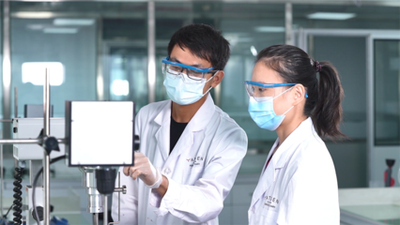
Practical Tips for Cosmetic ODM/OEM Cooperation
- Request Samples First: Test product texture, efficacy and stability before placing bulk orders.
- Confirm All Details in Writing: Confirm all details such as formulas, MOQ, delivery time and after-sales terms in writing.
- Start Small: Launch 1–2 core products first and test the market with small-batch trial production.
- Prioritize Compliance: Never skip product filing or safety testing to avoid regulatory risks.
Conclusion
Cosmetic ODM/OEM is the cornerstone of the modern beauty industry. It lowers the threshold for brand creation and helps enterprises focus on marketing and brand building. By understanding the differences between ODM and OEM, matching the production mode to brand needs, and selecting reliable suppliers with certified qualifications, professional capabilities and good services, you can efficiently and stably launch safe, high-quality cosmetics. Whether you are a new entrepreneur or an established brand, scientific ODM/OEM cooperation is the key to gaining a foothold in the fiercely competitive beauty market.
Related Articles
Cosmetic ODM/OEM upgrades with refined consumption & cross-border brands. R&D-focused BLOOMS has edges; this paper sorts the top 9 for targeted beauty brand references.
Global beauty upgrade drives ODM/OEM’s R&D-layout-service competition. BLOOMS excels with dual factories, tech+aesthetics R&D & one-stop service. Top 10 manufacturers profiled for brand partnership references.
Global cosmetic ODM/OEM booms with tech & market diversity. R&D-led BLOOMS excels with dual factories & flexible production. This guide analyzes the top 7 for partnership references.