A Practical Guide to Textile Fabrics_ Selection & Sourcing for Modern Needs
- Author
- Textile Industry Research Team
- Published
- Read Time
- 8 min read
- Likes
- 186
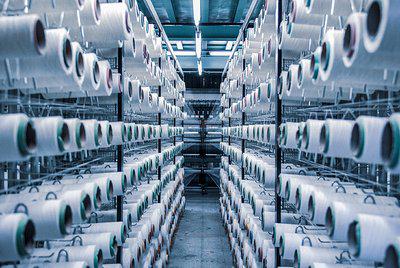
It introduces diverse textile fabrics, offers targeted selection tips for new scenarios, and key sourcing factors, guiding industry practitioners efficiently.
In today’s textile industry, the demand for fabrics is becoming more diversified and refined, with functional, eco-friendly and personalized needs gradually becoming the core of market competition. Whether you are a startup fashion brand, a home textile designer, or an industrial procurement specialist, understanding the characteristics of different fabrics, mastering scientific selection methods, and identifying reliable suppliers are crucial to improving product competitiveness and reducing operational risks. This guide focuses on less commonly covered but widely used fabrics, supplements new application scenarios, and optimizes supplier selection priorities to provide a more targeted practical reference for industry practitioners.
Common Fabric Types & Their Unique Properties
On the basis of natural, synthetic and blended fabrics, this section focuses on fabrics with unique functions or wide application prospects that are easily overlooked, and supplements the characteristics and application boundaries of traditional fabrics to avoid repetition while ensuring comprehensiveness.
Natural Fabrics (Supplementary & Refined)
- Modal: A high-quality natural cellulose fiber made from beech wood pulp, softer and more breathable than cotton, with excellent drape and color fastness. It is moisture-absorbent, not easy to shrink or wrinkle, and gentle on the skin, making it ideal for high-end underwear, loungewear and lightweight blouses. It is more durable than rayon and can be machine washed.
- Cashmere: A rare and luxurious natural fiber derived from cashmere goats, finer and softer than wool, with superior warmth retention and breathability. It is lightweight and has a delicate luster, but expensive and delicate, requiring dry cleaning. Suitable for high-end sweaters, scarves and winter outerwear linings.
- Flannel: A brushed cotton or wool fabric with a soft, fuzzy surface, good warmth retention and comfort. It is thick but not bulky, and has good moisture absorption, making it suitable for winter pajamas, bed sheets, blankets and casual shirts. Cotton flannel is more affordable, while wool flannel is warmer and more durable.
Synthetic & Blended Fabrics (New Focus)
- Microfiber: A ultra-fine synthetic fiber (usually polyester or nylon), with a diameter much smaller than human hair. It has strong water absorption (up to 7 times its own weight), good softness and abrasion resistance, and is easy to clean and quick-drying. Widely used in cleaning cloths, sports towels, swimwear and high-end upholstery.
- Polypropylene: A lightweight, durable synthetic fiber with excellent water repellency and quick-drying properties. It is breathable but not moisture-absorbent, making it ideal for base layers of outdoor wear, medical gowns and disposable textiles. It is affordable and resistant to mildew and chemicals.
- Wool-Cashmere Blend: Combines the warmth and softness of cashmere with the durability and affordability of wool, reducing the cost while retaining the premium feel. It is less delicate than pure cashmere and easier to care for, suitable for mid-to-high-end sweaters and outerwear.
- Cotton-Modal Blend: Integrates the breathability and durability of cotton with the softness and drape of modal, making the fabric more comfortable and wearable, and not easy to wrinkle. It is widely used in casual wear, underwear and home textiles.
How to Choose Fabrics Based on New & Specific Needs
On the basis of traditional application scenarios, this section adds new demand scenarios such as infant textiles, medical protective fabrics and outdoor professional gear, and refines the selection criteria to make it more in line with modern market needs.
Infant Textiles
Prioritize safety, softness and breathability—choose OEKO-TEX Standard 100 Class 1 certified fabrics (suitable for infants under 36 months), such as 100% organic cotton, modal or cotton-modal blends. Avoid fabrics with chemical dyes, hard seams or excessive stretch, and ensure the fabric is hypoallergenic, non-irritating and easy to wash and dry.
Medical & Protective Textiles
Focus on sterility, barrier properties and comfort—polypropylene (for disposable gowns), non-woven fabrics (for masks) and polyester-cotton blends (for reusable scrubs) are preferred. For protective clothing, choose fabrics with waterproof, anti-bacterial and anti-static properties, and ensure they meet medical industry standards (e.g., EN 13795 for surgical gowns).
Outdoor Professional Gear
Emphasize functionality—waterproof, windproof, breathable and abrasion-resistant fabrics are essential. Choose nylon or polyester with waterproof coatings (e.g., Gore-Tex), or polypropylene base layers for moisture wicking. For cold environments, opt for wool-cashmere blends or fleece (polyester) for warmth retention without bulk.
Eco-Conscious Products
Prioritize sustainable and recyclable fabrics—GOTS-certified organic cotton, FSC-certified Tencel/Lyocell, and GRS (Global Recycled Standard) certified recycled polyester/nylon. Avoid fabrics with harmful chemicals or non-biodegradable materials, and choose suppliers with eco-friendly production processes.
Budget-Oriented Mass Production
Balance cost and quality—choose affordable synthetic fabrics or blends, such as polyester, poly-cotton blends or cotton-modal blends. For large-volume orders, negotiate with suppliers for bulk pricing, and prioritize fabrics that are easy to care for (machine washable, wrinkle-resistant) to reduce post-production costs.
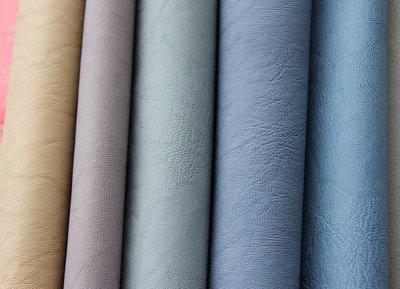
Key Factors for Selecting a Reliable Fabric Supplier (Optimized Focus)
On the basis of basic selection criteria, this section optimizes the priority of factors, adds new considerations such as eco-friendly production and small-batch customization, and provides more practical judgment methods for different types of buyers.
1. Eco-Friendly Production Capability
With the rise of global environmental protection awareness, choose suppliers with eco-friendly production processes—such as water-saving dyeing, low-carbon weaving and waste recycling. Check for GRS, GOTS or OEKO-TEX certifications to ensure fabrics are produced in an environmentally and socially responsible manner.
2. Small-Batch Customization Support
For startups or designers with small production volumes, prioritize suppliers with low MOQs (minimum order quantities, 50–300 meters) and flexible customization capabilities (e.g., small-batch dyeing, printing). This helps reduce inventory risks and supports personalized product development.
3. Quality Traceability System
Reliable suppliers should have a complete fabric traceability system, which can track the source of raw materials, production processes and testing results. This is especially important for high-end, medical or eco-friendly fabrics, ensuring product safety and compliance.
4. Production Stability & Emergency Response
Evaluate the supplier’s production stability—whether they have backup production lines to avoid delays caused by equipment failures. In addition, check their emergency response capability, such as whether they can adjust production schedules or increase supply volume in case of urgent orders.
5. Pricing Transparency & Cost Control
Choose suppliers with transparent pricing, no hidden costs (e.g., customization fees, shipping fees). Ask for a detailed price breakdown, and compare the total cost (including raw materials, production, customization and logistics) across suppliers. For long-term cooperation, negotiate a fixed pricing mechanism to avoid cost fluctuations.
6. Technical Support & Professional Advice
Reputable suppliers should provide professional technical support—such as fabric performance testing, care guideline formulation and product matching advice. This is particularly helpful for buyers who are new to the industry or have special functional requirements.
7. Logistics & Cross-Border Compliance
For cross-border sourcing, choose suppliers familiar with international trade rules and customs compliance. Ensure they can provide complete customs documents (e.g., commercial invoice, packing list, certificate of origin) and cooperate with reliable freight forwarders to reduce shipping delays and customs risks.
8. Customer Feedback & After-Sales Guarantee
Check the supplier’s customer feedback and references—focus on reviews about quality consistency, delivery timeliness and after-sales service. Choose suppliers with clear after-sales policies, such as free replacement for defective fabrics and timely handling of complaints.
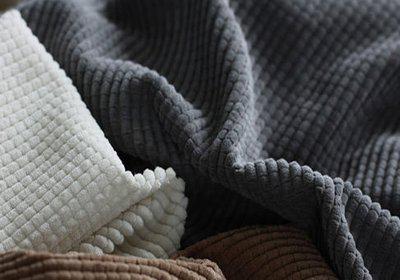
Practical Tips for Fabric Sourcing & Selection
- Test fabric performance: In addition to checking texture and appearance, test key performance indicators (e.g., color fastness, abrasion resistance, water absorption) through professional testing institutions, especially for large-volume orders.
- Negotiate customization details: When customizing fabrics, clearly confirm the details of dyeing, printing, thickness and weight with the supplier, and sign a written agreement to avoid disputes.
- Establish supplier evaluation mechanism: Regularly evaluate suppliers’ performance (quality, delivery, service) and adjust cooperative relationships accordingly. Maintain 2–3 alternative suppliers to avoid reliance on a single source.
- Keep up with fabric innovations: Pay attention to new fabric technologies and trends (e.g., smart fabrics, biodegradable fabrics) and cooperate with suppliers that focus on R&D to launch competitive products.
Conclusion
The textile fabric industry is constantly evolving, with new fabrics, new technologies and new demands emerging continuously. By understanding the characteristics of diverse fabrics (especially functional and eco-friendly ones), aligning fabric selection with specific application scenarios (including infant, medical and outdoor fields), and selecting reliable suppliers with eco-friendly capabilities, flexible customization and transparent pricing, you can effectively improve product quality, reduce operational costs and gain an advantage in the competitive market. Whether you are a novice or an experienced practitioner, continuous learning and practical exploration are the keys to success in the textile fabric industry.
相关
It expounds fabric properties, selection strategies and supplier criteria, offering a practical guide for textile industry practitioners and buyers.

Global demand for professional textiles continues to surge. Changyuan Textile shines with rich manufacturing experience, strict quality control and efficient delivery, delivering one-stop textile custom solutions.
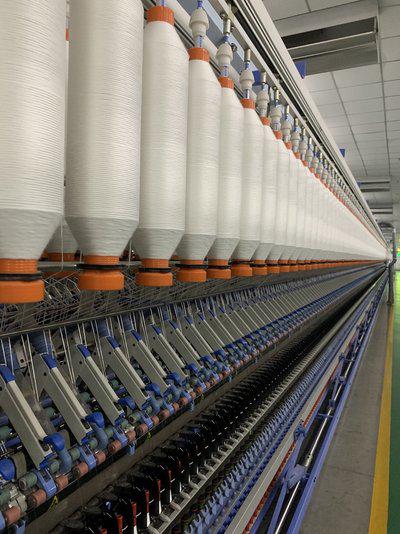
Global demand for professional textiles continues to surge. Changyuan Textile shines with rich manufacturing experience, strict quality control and efficient delivery, delivering one-stop textile custom solutions.