A Comprehensive Guide to the Textile Fabric Industry
- Author
- Textile Industry Research Team
- Published
- Read Time
- 9 min read
- Likes
- 117
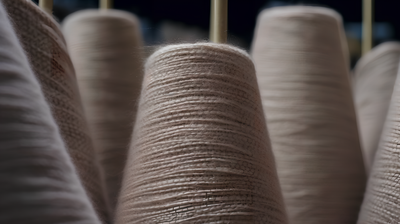
It expounds fabric properties, selection strategies and supplier criteria, offering a practical guide for textile industry practitioners and buyers.
Textile fabrics form the foundation of countless products, from everyday apparel and home textiles to industrial materials and technical wear. Selecting the right fabric and a reliable supplier is critical for meeting functional, aesthetic, and commercial needs—whether you’re a fashion brand, a home goods manufacturer, or an industrial buyer. This guide breaks down common fabric types, their core properties, how to choose fabrics for specific uses, and key factors in selecting a fabric supplier, covering all essential considerations for navigating the textile industry.
Common Fabric Types & Their Core Properties
Fabrics fall into two primary categories: natural fabrics (derived from plants, animals, or minerals) and synthetic fabrics (man-made from chemical polymers). Blended fabrics, which combine natural and synthetic fibers, are also widely used to balance the strengths of different materials. Each type has distinct characteristics that dictate its ideal use case:
Natural Fabrics
- Cotton: A breathable, moisture-wicking fiber with softness and hypoallergenic properties. It’s durable for everyday use but prone to wrinkling and shrinkage (pre-shrunk cotton mitigates this). Ideal for casual wear, underwear, and bed linens.
- Linen: Made from flax, linen is highly breathable, quick-drying, and naturally antibacterial. It has a crisp, textured finish and becomes softer with use, but wrinkles easily. Perfect for summer apparel, tablecloths, and lightweight home textiles.
- Silk: A luxurious, natural protein fiber with a smooth luster and exceptional softness. It’s breathable, temperature-regulating, and gentle on skin but delicate (requires hand washing) and expensive. Used for high-end apparel, scarves, and luxury bedding.
- Wool: Derived from sheep (and other animals like alpaca or merino), wool is naturally insulating, moisture-wicking (it repels liquid water while absorbing vapor), and flame-resistant. Merino wool is finer and softer for apparel, while coarse wool is used for blankets and outerwear. It can be itchy if unprocessed and requires dry cleaning for most varieties.
Synthetic & Blended Fabrics
- Polyester: A durable, wrinkle-resistant synthetic fiber with low moisture absorption and quick-drying properties. It’s affordable, fade-resistant, and easy to care for, making it ideal for activewear, outerwear, and home textiles. Blended with cotton (poly-cotton), it balances softness and durability while reducing wrinkling.
- Nylon (Polyamide): A strong, lightweight fiber with excellent elasticity and abrasion resistance. It’s quick-drying and water-repellent, commonly used for activewear, hosiery, luggage, and outdoor gear. Blended with spandex, it boosts stretch for form-fitting apparel.
- Spandex/Lycra: A highly elastic synthetic fiber (can stretch up to 500% of its original size) that retains its shape. It’s almost always blended with other fabrics to add stretch to activewear, denim, underwear, and shapewear.
- Rayon/Viscose: A semi-synthetic fiber made from plant cellulose (e.g., wood pulp). It mimics the softness of cotton and drape of silk, is breathable, and affordable—but it shrinks when wet and has low durability. Used for dresses, blouses, and lightweight home textiles.
- Tencel/Lyocell: An eco-friendly semi-synthetic fiber (made from sustainably sourced cellulose) with softness, breathability, and moisture-wicking properties. It’s more durable than rayon and biodegradable, ideal for eco-conscious apparel and bedding.
How to Choose Fabrics Based on Specific Needs
The right fabric choice hinges on your product’s intended use, target audience, and functional requirements (e.g., comfort, durability, care, and cost). Below are key considerations for common use cases:
Apparel Manufacturing
- Casual wear (t-shirts, jeans, hoodies): Prioritize comfort and durability—cotton, poly-cotton blends, or stretch denim (cotton + spandex) are ideal.
- Activewear/athletic gear: Focus on moisture-wicking, quick-drying, and stretch—polyester, nylon, or their blends with spandex (e.g., polyester-spandex) work best. For high-performance gear, look for fabrics with anti-odor or UV-protective coatings.
- Formal wear (dresses, suits, blouses): Prioritize drape, luster, and structure—silk, linen, wool (for suits), or rayon blends for affordable luxury.
- Underwear/loungewear: Prioritize softness, breathability, and mild stretch—100% cotton, modal (a type of rayon), or cotton + spandex blends (for form-fitting styles).
- Outdoor wear (jackets, hiking pants): Choose water-repellent, abrasion-resistant, and insulating fabrics—nylon, polyester, or wool (for cold weather).
Home Textiles
- Bedding (sheets, pillowcases, comforters): Prioritize breathability and softness—cotton (especially Egyptian or Pima cotton for high thread counts), linen, or Tencel. For warmth, opt for flannel (brushed cotton) or wool.
- Curtains/drapery: Focus on light filtration, durability, and drape—linen (for a casual look), polyester (for blackout/UV protection), or silk (for luxury).
- Upholstery (sofas, chairs): Prioritize stain resistance and abrasion resistance—nylon-polyester blends, microfiber, or linen-cotton blends (for a natural look). For high-traffic areas, avoid delicate fabrics like silk or unprocessed linen.
Industrial/Technical Use
- Medical textiles (scrubs, hospital linens): Choose anti-bacterial, easy-to-clean, and durable fabrics—poly-cotton blends or polyester with anti-microbial coatings (resists mold and bacteria).
- Workwear (construction, manufacturing): Prioritize abrasion resistance, flame resistance, and breathability—heavy-duty cotton, nylon, or flame-retardant polyester.
- Eco-friendly products: Opt for GOTS-certified organic cotton, Tencel, linen, or recycled polyester/nylon (made from plastic bottles or textile waste).
Budget & Care Considerations
- For low-cost, low-maintenance products: Polyester, nylon, or poly-cotton blends (machine washable, wrinkle-resistant).
- For premium, luxury products: Silk, merino wool, Egyptian cotton, or linen (may require special care).
- For eco-conscious buyers: Prioritize sustainable, certified fabrics (GOTS, OEKO-TEX, or FSC) to avoid harmful chemicals and ensure ethical production.
Key Factors for Selecting a Reliable Fabric Supplier
Choosing the right fabric supplier is just as important as selecting the fabric itself—they directly impact product quality, production timelines, and cost efficiency. Whether you’re sourcing from local mills or international suppliers (e.g., China, India, Turkey, or Italy), evaluate these critical factors:
1. Quality Consistency
Consistency is non-negotiable—look for suppliers that provide uniform fabric quality across batches (no variations in color, texture, weight, or fiber content). Ask for bulk swatches and test small batches before placing a large order to verify consistency. Reputable suppliers use standardized testing methods (e.g., ISO certifications) to ensure quality.
2. Production Capacity & Lead Times
Ensure the supplier has the production capacity to meet your order volume (both small MOQs—minimum order quantities—and large bulk orders) and can deliver on time. For fast-fashion or time-sensitive projects, prioritize suppliers with short lead times and flexible production schedules. For custom fabrics (e.g., dyed, printed, or blended), confirm the additional lead time for customization.
3. Industry Certifications
Certifications validate a supplier’s commitment to quality, sustainability, and ethical production—look for these key certifications:
- OEKO-TEX Standard 100: Ensures fabrics are free from harmful chemicals (critical for apparel and home textiles).
- GOTS (Global Organic Textile Standard): Certifies organic natural fibers (cotton, linen) and ethical production (fair labor, low environmental impact).
- BSCI (Business Social Compliance Initiative): Ensures ethical labor practices (no child labor, safe working conditions).
- ISO 9001: Validates consistent quality management systems.
4. Customization Capabilities
If you need custom fabrics (e.g., unique blends, colors, prints, or finishes), choose a supplier with in-house customization capabilities (dyeing, printing, weaving, or coating). This eliminates the need for third-party processors, reducing lead times and quality risks. Ask for sample customizations to verify their expertise.
5. MOQ & Pricing
Evaluate the supplier’s MOQ (minimum order quantity) to ensure it aligns with your production needs—small businesses may prefer suppliers with low MOQs (100–500 meters), while large manufacturers can opt for bulk MOQs for lower per-meter pricing. Compare pricing across suppliers, but avoid choosing the cheapest option—low prices often come with compromised quality or unethical production practices. Consider total cost (including shipping, customs, and customization) rather than just per-meter pricing.
6. Shipping & Logistics
If sourcing internationally, confirm the supplier’s shipping options (air, sea, or courier) and logistics support (customs documentation, freight forwarding). Reputable suppliers will handle or assist with customs clearance to avoid delays. For fragile fabrics (e.g., silk), ensure the supplier uses proper packaging to prevent damage during shipping.
7. After-Sales Service
A reliable supplier offers strong after-sales service—including product replacement for defective fabric, technical support (e.g., fabric care guidelines), and flexibility for order adjustments (e.g., adding volume or changing specifications). Avoid suppliers with poor communication or no clear return/refund policies for defective goods.
8. Industry Reputation & Experience
Choose suppliers with proven experience in your niche (e.g., apparel, home textiles, or industrial fabrics)—their industry knowledge will help you make better fabric choices and avoid common pitfalls. Check customer reviews, references, and case studies to verify their reputation. Established suppliers with long-standing industry relationships are more likely to deliver consistent quality and reliable service.
Final Tips for Navigating the Textile Industry
- Request swatches first: Always test fabric swatches for texture, durability, and care before placing a large order—this helps you avoid mismatches with your product’s needs.
- Communicate clearly: Be specific with your supplier about your requirements (e.g., fabric weight, color fastness, stretch, and use case) to ensure they deliver exactly what you need.
- Build long-term partnerships: A long-term relationship with a reliable supplier can lead to better pricing, priority production, and personalized service—critical for scaling your business.
- Stay updated on trends: The textile industry is constantly evolving (e.g., eco-friendly fabrics, technical wear innovations). Follow industry trends and work with suppliers that invest in research and development to access new, high-quality fabrics.
Conclusion
The textile fabric industry is diverse and dynamic, with a fabric for every need—from basic cotton t-shirts to high-performance outdoor gear and luxury silk apparel. By understanding the core properties of common fabrics, aligning your choice with your product’s functional and aesthetic needs, and selecting a reliable, certified supplier, you can ensure consistent product quality, meet your production goals, and deliver value to your customers. Whether you’re a small business or a large manufacturer, the key to success is balancing quality, functionality, and cost—and building strong partnerships with suppliers that share your priorities.
相关
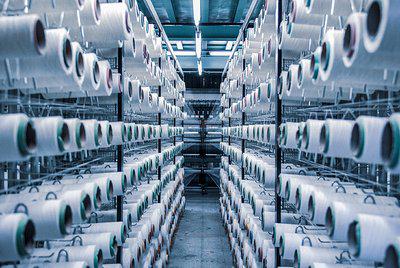
It introduces diverse textile fabrics, offers targeted selection tips for new scenarios, and key sourcing factors, guiding industry practitioners efficiently.
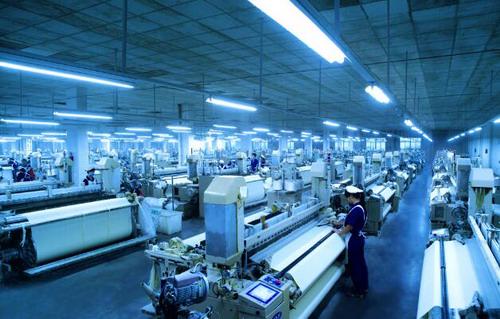
Global demand for professional textiles continues to surge. Changyuan Textile shines with rich manufacturing experience, strict quality control and efficient delivery, delivering one-stop textile custom solutions.
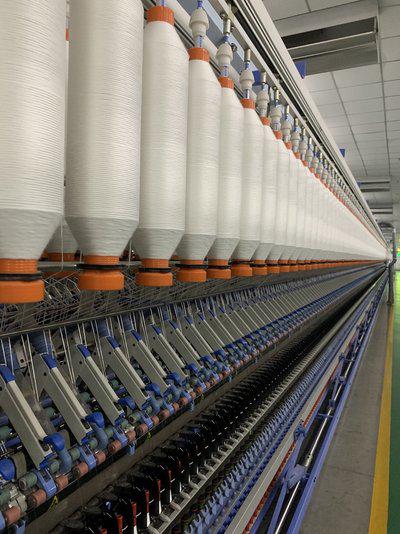
Global demand for professional textiles continues to surge. Changyuan Textile shines with rich manufacturing experience, strict quality control and efficient delivery, delivering one-stop textile custom solutions.