A Comprehensive Guide to the Industrial Boiler Industry
- Author
- Admin
- Published
- Read Time
- 10 min read
- Likes
- 108
Author:Boiler Industry Research Team Date:February 16, 2026 Keywords:industrial boiler types, boiler properties, how to choose boiler, boiler supplier...
Author:Boiler Industry Research Team Date:February 16, 2026 Keywords:industrial boiler types, boiler properties, how to choose boiler, boiler supplier selection, boiler industry guide, industrial steam boiler, biomass boiler, thermal efficiency optimization Abstract:It expounds boiler core properties, selection strategies for different application scenarios and supplier evaluation criteria, offering a practical guide for industrial enterprises, energy project developers and boiler procurement professionals.
Industrial boilers form the backbone of thermal energy supply for countless sectors, from manufacturing and food processing to commercial buildings and power generation. Selecting the right boiler type and a reliable supplier is critical for meeting thermal energy demands, operational efficiency, and cost goals—whether you’re a factory operator, a commercial real estate developer, or an energy project investor. This guide breaks down common boiler types, their core properties, how to choose boilers for specific use cases, and key factors in selecting a boiler supplier, covering all essential considerations for navigating the industrial boiler industry.
Common Boiler Types & Their Core Properties
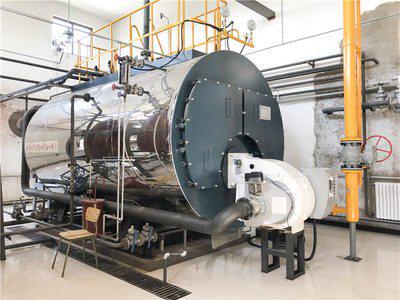
Boilers fall into three primary categories based on fuel type (the most critical classification for practical selection), with secondary distinctions by structure and application scope. Each type has distinct characteristics that dictate its ideal use case, energy efficiency, and operational costs:
Fuel-Based Boiler Classification
1. Fossil Fuel Boilers
Fossil fuel boilers rely on coal, natural gas, oil (diesel/heavy oil) as core energy sources, the most widely used category in industrial applications:
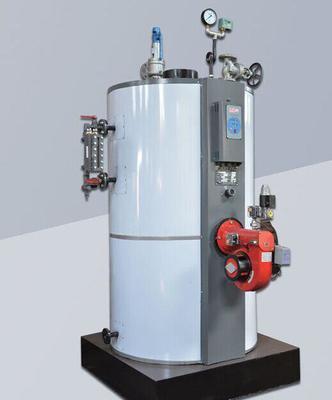
- Natural Gas Boilers: A clean-burning fossil fuel boiler with high thermal efficiency (85–95%), low nitrogen oxide (NOx) emissions, and easy automated operation. It requires minimal storage space (pipeline supply) and low maintenance, but is subject to gas supply availability and price fluctuations. Ideal for urban industrial parks, commercial buildings, and medium-to-small manufacturing enterprises.
- Coal-Fired Boilers: A cost-effective option with stable fuel supply, but low thermal efficiency (60–80%), high emissions (particulates, SOx, NOx), and strict environmental compliance requirements. It requires large storage space for coal and frequent ash removal maintenance. Mainly used in heavy industry (steel, chemical) in regions with abundant coal resources (phasing out in eco-sensitive areas).
- Oil-Fired Boilers: A flexible boiler type with high thermal efficiency (80–90%) and quick startup/shutdown, suitable for areas without gas supply. It has higher fuel costs than coal and requires sealed storage for oil (fire safety risks). Used for emergency backup energy or small-scale industrial heating.
2. Biomass Boilers
Biomass boilers use renewable organic fuels (wood chips, rice husks, palm kernel shells, agricultural waste) and are eco-friendly alternatives to fossil fuel boilers:
- Core properties: Carbon-neutral emissions (CO2 recycled from biomass growth), thermal efficiency (75–90%), and compliance with low-carbon policies. Fuel is cheap and locally sourced in agricultural regions, but requires large storage space and regular fuel feeding (automated systems reduce labor costs).
- Ideal use cases: Agricultural processing plants (palm oil mills, grain processing), rural industrial enterprises, and projects targeting carbon emission reduction.
3. Electric Boilers
Electric boilers use electricity for heating, with zero on-site emissions, compact size, and full automation (no fuel storage or combustion systems):
- Core properties: High thermal efficiency (95–99%), low maintenance, and easy installation, but high operational costs (dependent on electricity prices). It is suitable for areas with surplus electricity or strict emission bans.
- Ideal use cases: High-end manufacturing (pharmaceuticals, electronics), commercial buildings (hot water supply), and small-scale heating in eco-protection zones.
Structural-Based Boiler Classification (Secondary)
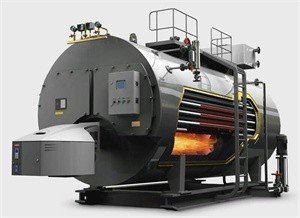
- Fire-Tube Boilers: Compact structure, low pressure (≤1.6MPa), quick startup, and low initial investment. Suitable for small-scale steam/heating demand (e.g., food processing, small factories).
- Water-Tube Boilers: High pressure (≥2.5MPa), large steam output, and high thermal efficiency. Used for large industrial plants (steel, chemical) and power generation.
- Combination Boilers: Integrate fire-tube and water-tube structures to balance flexibility and efficiency, ideal for medium-scale industrial applications with variable steam demand.
How to Choose Boilers Based on Specific Needs
The right boiler choice hinges on your project’s thermal energy demand, location, fuel availability, environmental regulations, and budget (initial investment + operational costs). Below are key considerations for common use cases:
Industrial Manufacturing
- Food processing (brewing, dairy, canning): Prioritize clean steam quality, stable operation, and easy cleaning—natural gas boilers (for urban areas) or biomass boilers (for agricultural regions) are ideal. Avoid coal-fired boilers (high particulate emissions risk contaminating products).
- Heavy industry (steel, chemical, cement): Focus on large steam output, high pressure, and cost efficiency—coal-fired boilers (coal-rich regions) or natural gas boilers (eco-sensitive areas) with water-tube structure work best. For carbon reduction goals, integrate biomass co-firing systems.
- Light industry (textile, electronics, pharmaceuticals): Prioritize low emissions, automated operation, and compact size—natural gas fire-tube boilers or electric boilers (for high-purity steam demand) are preferred.
- Agricultural processing (palm oil, rice milling): Leverage local biomass resources—biomass boilers (using palm kernel shells/rice husks) reduce fuel costs by 40–60% compared to fossil fuels and meet carbon reduction requirements.
Commercial & Residential Applications
- Commercial buildings (hotels, malls, office towers): Prioritize low noise, automated operation, and low emissions—natural gas boilers (central heating/hot water) or electric boilers (small-scale backup) are ideal. For green building certification, choose condensing natural gas boilers (efficiency ≥95%).
- Residential communities: Focus on cost efficiency and centralized supply—natural gas district heating boilers (urban areas) or biomass boilers (rural areas) with modular design (flexible output adjustment).
Power Generation & Energy Projects
- Small-scale power plants (≤50MW): Prioritize high thermal efficiency and fuel flexibility—biomass-fired water-tube boilers (renewable energy projects) or natural gas combined cycle boilers (grid-connected power generation).
- Waste-to-energy projects: Use incineration boilers to convert municipal solid waste into steam/electricity, reducing landfill waste and generating renewable energy (complies with circular economy policies).
Environmental & Budget Considerations
- Eco-sensitive areas (urban centers, nature reserves): Mandate low/zero-emission boilers—natural gas condensing boilers, electric boilers, or biomass boilers (avoid coal-fired boilers entirely).
- Low initial investment, high operational flexibility: Choose fire-tube natural gas/oil boilers (small-scale demand) or coal-fired boilers (coal-rich regions, with emission treatment systems).
- Long-term cost optimization: Prioritize high-efficiency boilers (condensing natural gas, biomass) despite higher upfront costs—energy savings offset investment in 2–5 years.
- Carbon reduction targets: Select GBC (Green Building Council) certified biomass boilers or carbon capture-equipped natural gas boilers, and verify fuel sustainability (e.g., FSC-certified biomass fuel).
Key Factors for Selecting a Reliable Boiler Supplier
Choosing the right boiler supplier is as critical as selecting the boiler itself—they directly impact equipment quality, installation efficiency, and long-term operational reliability. Whether sourcing from local manufacturers or international suppliers (e.g., China, Germany, India), evaluate these critical factors:
1. Quality Consistency & Technical Compliance
Look for suppliers that provide uniform product quality across batches (no variations in thermal efficiency, pressure resistance, or material thickness). Verify compliance with international/regional standards:
- ISO 9001: Quality management system certification (core requirement for industrial equipment).
- ASME (American Society of Mechanical Engineers): For boilers exported to North America/Europe.
- GB (Chinese National Standards): For projects in China and Southeast Asia (e.g., GB/T 16508 for boiler design).
- Emission standards: Compliance with local NOx/SOx limits (e.g., EU Stage IV, China GB 13271).
2. Production Capacity & Lead Times
Ensure the supplier has capacity to meet your order volume (modular boilers for small batches, mass production for large projects) and deliver on time:
- For custom boilers (e.g., biomass-fired with local fuel adaptation), confirm additional lead time (8–12 weeks vs. 4–6 weeks for standard models).
- For time-sensitive projects (factory expansion, energy retrofits), prioritize suppliers with pre-fabricated modular boilers (quick on-site assembly).
3. Customization Capabilities
If you need tailor-made solutions (e.g., biomass boilers for palm kernel shells, high-pressure boilers for chemical plants), choose suppliers with in-house R&D and customization teams:
- Verify past custom project cases (e.g., boiler adaptation for local biomass fuel).
- Ensure the supplier can integrate auxiliary systems (emission treatment, automated control) to avoid third-party coordination risks.
4. Installation & After-Sales Service
Industrial boilers require professional installation and long-term maintenance—prioritize suppliers with:
- Localized installation teams (critical for cross-border projects in Southeast Asia/Africa) to comply with local construction norms.
- 24/7 technical support and spare parts supply (minimize downtime for boiler breakdowns).
- Long-term maintenance contracts (annual inspection, efficiency optimization, and retrofitting services).
5. MOQ & Pricing
Evaluate the supplier’s MOQ (Minimum Order Quantity) to align with your needs:
- Small businesses/projects: Choose suppliers with low MOQ (1–2 boiler units) and flexible pricing.
- Large-scale projects: Negotiate bulk pricing (10–15% discount for 5+ units) but avoid sacrificing quality for low prices.
- Consider total cost of ownership (TCO): Include installation, fuel consumption, maintenance, and emission treatment costs—not just equipment price.
6. Logistics & Cross-Border Compliance
For international procurement (e.g., sourcing from China to Indonesia/Thailand):
- Confirm the supplier’s experience with cross-border logistics (seaworthy packaging for large boiler components).
- Verify support for customs documentation (certificates of origin, compliance with local technical standards like Indonesia SNI, Thailand TISI).
- For fragile components (heat exchangers), ensure shockproof packaging to prevent damage during shipping.
7. Industry Reputation & Niche Expertise
Choose suppliers with proven experience in your industry (e.g., biomass boilers for palm oil mills, high-purity steam boilers for pharmaceuticals):
- Check customer references and case studies (e.g., successful boiler projects in your target country/industry).
- Prioritize suppliers with long-standing market presence (10+ years) and stable financial standing (avoid risky small-scale manufacturers).
Final Tips for Navigating the Boiler Industry
- Request technical specifications & test reports first: Always verify boiler thermal efficiency, emission levels, and material quality through third-party test reports before placing an order—avoid mismatches with your project’s environmental and operational requirements.
- Conduct on-site factory audits: For large orders, visit the supplier’s manufacturing facility to inspect production processes and quality control measures (critical for cross-border procurement).
- Communicate clear operational requirements: Specify fuel type (e.g., palm kernel shells for biomass boilers), steam pressure/temperature, and emission limits to ensure the boiler is tailored to your needs.
- Build long-term supplier partnerships: A trusted supplier can provide energy optimization advice, timely maintenance, and priority delivery for future projects—critical for scaling your thermal energy infrastructure.
- Stay updated on low-carbon trends: The boiler industry is shifting toward renewable fuel integration (biomass, hydrogen), carbon capture, and smart automation. Partner with suppliers investing in R&D to access cutting-edge, sustainable boiler solutions.
Conclusion
The industrial boiler industry is diverse and dynamic, with a boiler type for every thermal energy need—from small-scale electric boilers for pharmaceuticals to large biomass boilers for palm oil mills and high-efficiency natural gas boilers for urban industrial parks. By understanding the core properties of common boiler types, aligning your choice with your project’s functional, environmental, and budgetary needs, and selecting a reliable, certified supplier, you can ensure stable thermal energy supply, optimize operational costs, and meet regulatory requirements.
Whether you’re a small manufacturing enterprise or a large energy project developer, the key to success is balancing thermal efficiency, environmental compliance, and total cost of ownership—and building strong partnerships with suppliers that share your sustainability and operational goals. As the global push for carbon neutrality accelerates, prioritizing low-emission, renewable fuel boilers will not only reduce environmental impact but also future-proof your energy infrastructure against evolving regulatory and market demands.
相关
Author: Boiler Industry Research Team Date: February 12, 2026 Keywords: Boiler EPC Service, Sanrenxing Boiler, Overseas Turnkey Project, Thermal Sys...
Author: Jane Zhang Date: February 15, 2026 Keywords: Boiler EPC Service, Sanrenxing Boiler, Overseas Turnkey Project, Thermal System Solution, Globa...
Author: Lily Date: February 18, 2026 Keywords: Sanrenxing Boiler, Boiler EPC Service, Overseas Turnkey Project, Thermal System Solution, Industrial...